The Beautiful Mess of Being Human
Kintsugi for the Soul: Why Your Cracks Matter
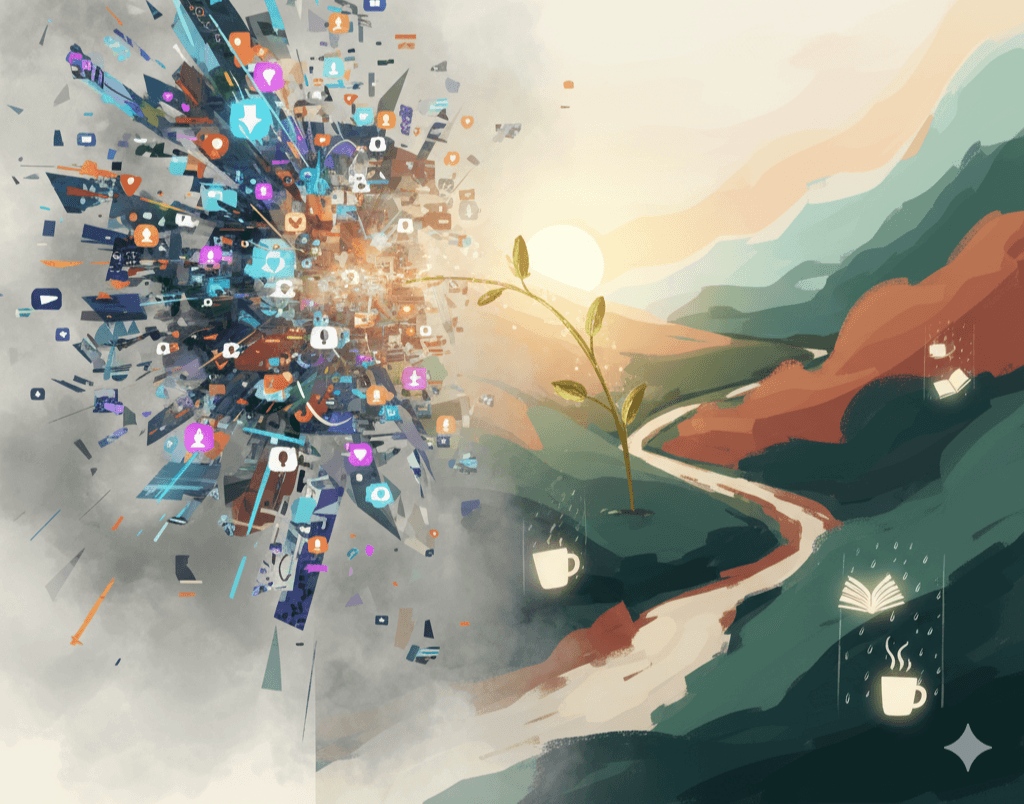
Ever scroll through social media and feel a wave of inadequacy? Everyone’s life looks so polished, so perfect. Flawless homes, brilliant careers, picture-perfect holidays. It’s easy to look at our own messy, complicated lives and feel like we’re falling behind.
We’re all chasing this ghost called “perfection,” and honestly, it’s exhausting. It’s a game we can’t win.
But what if I told you that the goal isn’t to be perfect? What if the most beautiful, valuable, and real parts of you are tangled up in your imperfections? What if our flaws are not failures, but fingerprints of a life fully lived?
1. The Flaw is What Makes It Real
Think about a diamond. A truly flawless diamond is incredibly rare, almost sterile. Often, the most perfect-looking ones are made in a lab. It’s the tiny, natural inclusions, the so-called “flaws”, that prove a diamond is real. They tell the story of its creation, forged under incredible pressure deep inside the earth.
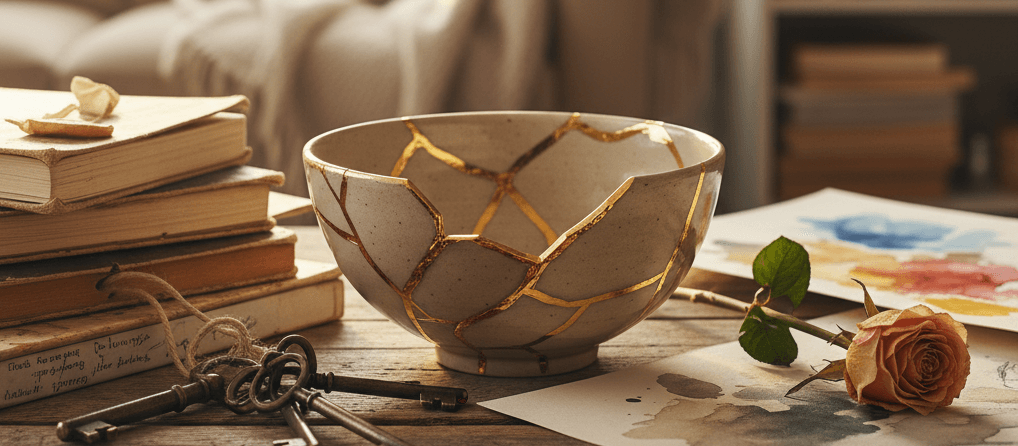
There’s a beautiful Japanese art form called Kintsugi, which means “golden joinery.” When a piece of pottery breaks, it isn’t thrown away. The pieces are carefully reassembled, and the cracks are filled with a lacquer mixed with powdered gold. The philosophy is that the piece is more beautiful because it has been broken. The breaks are part of its history, and they aren’t meant to be hidden. They are meant to be illuminated.
Press enter or click to view image in full size
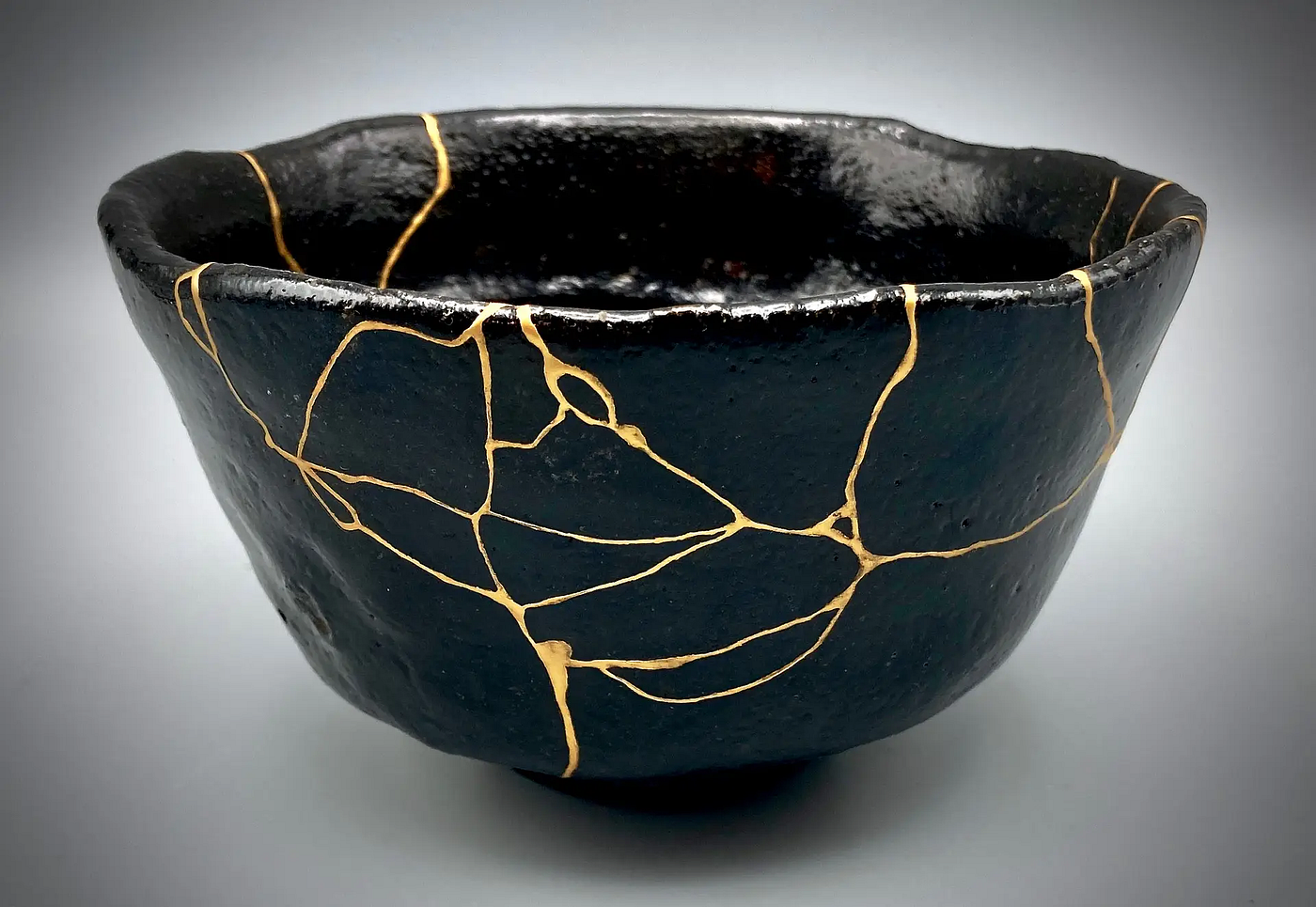
Your life is the same. Your story isn’t written in the moments you were perfect. It’s written in the cracks, the heartbreaks, the mistakes, the moments you fell and got back up. Those aren’t your flaws; they’re your golden repairs. They are what make you, you.
2. Imperfection Isn’t a Final Grade; It’s a Guide
Imagine telling yourself you’re a failure every time you make a mistake while learning something new. You’d never try anything, would you?
Somehow, we’ve come to see imperfection as a final judgment on our worth. It’s not. Imperfection is simply a compass. It’s a piece of data that gently points you toward your next step.
That bug in your code? It isn’t a verdict on your skills. It’s a puzzle that will make you a stronger problem-solver.
That clumsy conversation you had? It’s not a social failure. It’s a lesson in communication you can carry with you.
That project that didn’t turn out as you hoped? It’s not a waste. It’s the necessary first version that will lead to the brilliant second one.
When you start seeing your imperfections as guides instead of critics, everything changes. It’s a quiet whisper saying, “There’s more to discover over here.”
3. Perfection is Lonely. Imperfection Builds Connection.
When have you felt most connected to someone?
I bet it wasn’t when they were listing their achievements or showing you how they have it all together. It was probably in a quiet moment when they were brave enough to be vulnerable. When they admitted, “I’m struggling,” or “I was wrong,” or “I have no idea what I’m doing.”
Trying to be perfect builds walls. It keeps people at a distance because it isn’t real, and deep down, we all know it. Imperfection is an open door. It says, “I’m human, just like you.” It gives the people around you permission to take off their own masks and be human, too. This is where real trust and friendship are born, not in the polished highlight reels, but in the messy, beautiful truth.
4. Perfection Paralyzes. Imperfection Sets You Free.
Ah, perfectionism. My old friend, and probably yours too. It’s that voice that whispers, “Don’t start yet. You’re not ready. It’s not good enough.” It’s the saboteur that keeps your brilliant ideas locked in a notebook and your dreams on a vision board.
It’s the reason for that blank page, that unlaunched project, that unsent email.
Embracing imperfection is what gives you permission to begin. It’s the simple, powerful idea that “done is better than perfect.” You can’t steer a parked car. You can only improve something that already exists, flaws and all. Give yourself permission to be a beginner. Give yourself permission to be messy. Just start.
You Are a Work in Progress
So, let’s make a deal. Let’s stop chasing a filtered, flawless version of life that doesn’t exist. Let’s start embracing the beautiful, messy, wonderfully imperfect reality of being human.
Look for the Kintsugi in your own story. Follow the compass of your mistakes. Let your vulnerability be the bridge that connects you to others.
Your imperfections are not signs of weakness. They are the beautiful, messy, undeniable proof that you are alive.